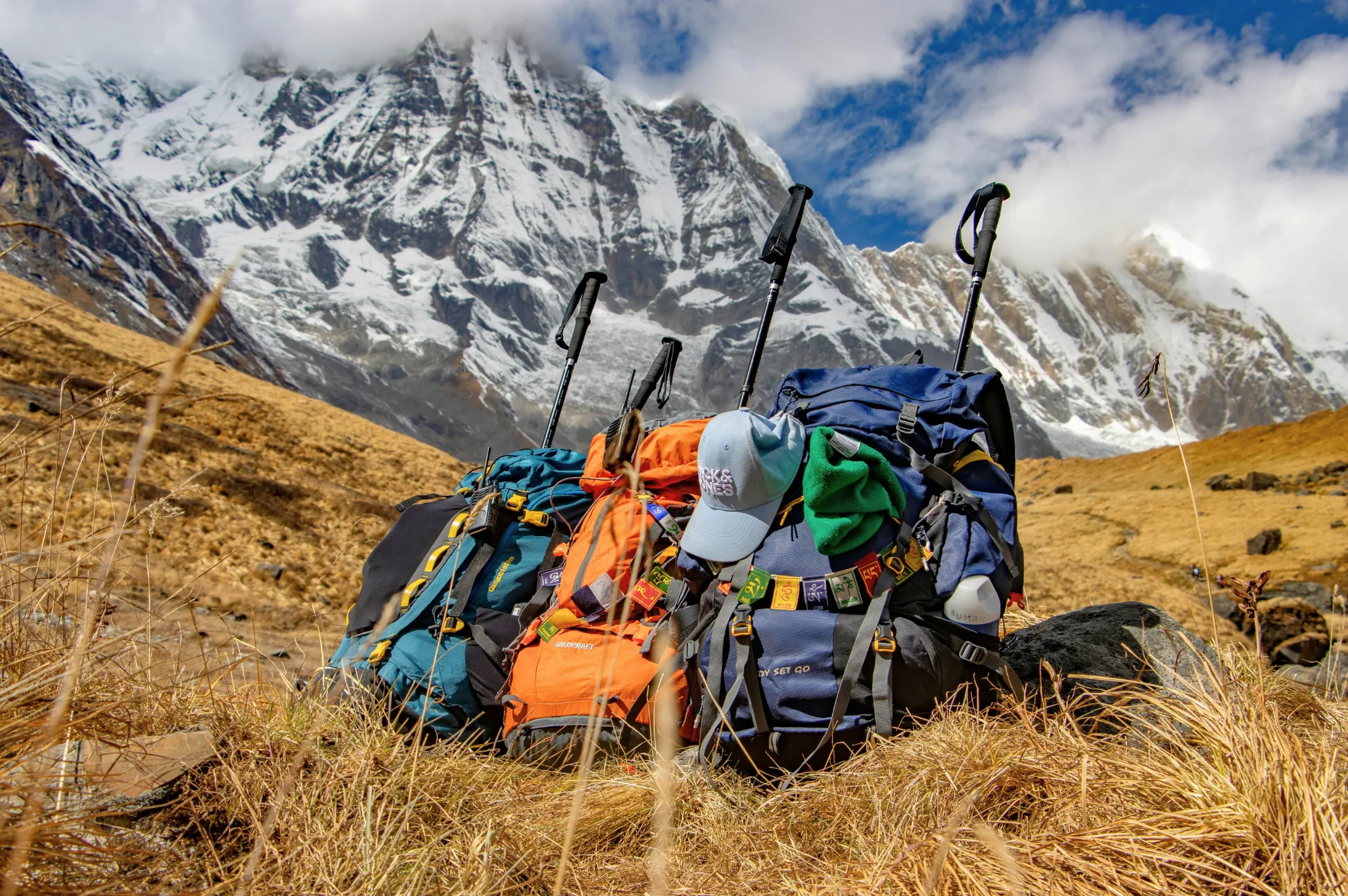
The Ultimate Trekking Packing List
The Layering System
The key to comfortable trekking is layering. Instead of one thick jacket, pack three lighter layers that you can combine:
Base Layer: Moisture-wicking merino wool or synthetic shirt. Avoid cotton — it stays wet and chills you.
Mid Layer: Fleece or lightweight down jacket. This is your warmth layer for cold mornings and high altitudes.
Shell Layer: Waterproof, breathable rain jacket. This protects against wind and rain. A good shell is worth the investment.
Footwear
Your feet are the most important part of your trek. Invest in quality boots and break them in thoroughly before hitting the trail.
- Trekking boots: Waterproof, ankle-supporting boots for most treks
- Trail runners: For lighter, well-maintained tea house trails
- Camp sandals: For evenings and river crossings
- Wool socks: 3-4 pairs, plus liner socks to prevent blisters
The Ten Essentials
These items should be in every trekker’s pack, regardless of trek difficulty:
- Navigation: Map, compass, or GPS device
- Sun protection: Sunscreen, sunglasses, hat
- Insulation: Extra clothing layers beyond what you think you’ll need
- Illumination: Headlamp with spare batteries
- First aid kit: Blister care, pain relief, personal medications
- Fire: Waterproof matches or lighter
- Repair tools: Knife, duct tape, gear patches
- Nutrition: Extra food for one additional day
- Hydration: Water purification method (filter, tablets, or UV)
- Emergency shelter: Bivy sack or emergency blanket
Pack Weight
The goal is a base weight (everything except food, water, and fuel) under 10kg. For ultralight trekking, aim for under 7kg.
Pro tip: Lay out everything you plan to bring, then remove 30% of it. You almost always bring too much.
Don’t Forget
- Camera and spare batteries
- Earplugs (for tea houses and hostels)
- Quick-dry towel
- Headphone splitter (for sharing music at camp)
- Notebook and pen
- Small binoculars